Investigating any differences among Li iron phosphate combined with Lithium Titanate provides significant discoveries about opting for effective energy device systems in countless incorporations.
Comparing LiFePO4 and LTO: Choosing the Most Appropriate Battery Formula
Settling on each best energy storage device composition shall be regarded as complicated. Iron Lithium Phosphate combined with Titanate Lithium Oxide offer characteristic strengths. LFP ordinarily offers higher potency magnitude, causing it favored during implementations taking ample working duration. Despite that, Titanium Lithium Oxide stands out relating to considerations of usage life, intense charge velocities, and notable low ambient condition performance. After all, the ideal selection rests depending on distinct function demands.
Exploring LiFePO4 and LTO Battery Disparities
Charged lithium ion battery methods yield unique efficiency, principally when contrasting LiFePO4 (Lithium Iron Phosphate) and LTO (Lithium Titanate Oxide). LiFePO4 blocks hold a favorable energy concentration, turning them suitable for deployments like battery-powered scooters and solar banks. However, they generally have a decreased power strength and a delayed charge/discharge rate compared to LTO. LTO packs, conversely, shine in terms of notable cycle continuity, exceptional safety, and extremely rapid charge/discharge rates, although their energy concentration is decidedly curbed. This trade-off dictates that LTO locates its position in demanding tasks like electrified vehicles requiring frequent, rapid power recovery and long-term reliability. Ultimately, the ideal option rests on the individual operation’s requirements.
Performance Insights: LTO Batteries vs. LiFePO4
Lithium power matter accumulators equip individual effectiveness positive traits in comparison in relation to conventional LiFePO4 chemistry. Their exceptional cycle existence, robust strength measure, plus advanced climate control render them markedly apt throughout rigorous roles. Past powered automobiles, LTO packs gain implementation through network facilities, engine machines, rapid charging electrified two-wheelers, plus reserve voltage facilities under which extended constancy as well as quick discharge capacities stand essential. Perpetual analysis centers in reference to curtailing expense as well as developing power level with the aim to grow the sector popularity beyond that.
In-Depth Exploration of LiFePO4 Cells
Iron Lithium Phosphate accumulators methods have rapidly become continually popular across various a broad range of domains, from battery-driven vehicles to recyclable electricity reservoirs. These batteries supply several important strengths compared to other lithium-ion chemistries, including improved safety, a expanded cycle life, and reliable thermal qualities. Comprehending the core concepts of LiFePO4 function is necessary for satisfying application.
- Electrical Pressure Properties
- Holding Ability and Density
- Reliability Features
LTO’s Extended Lifespan Explained
Lithium Titanate Oxide electric cell sections equip a clear endurance superiority compared to routine lithium-ion technologies. Unlike multiple alternatives, LTO items show remarkably negligible aging even after countless energy cycles loops. This amounts to a prolonged operational duration, empowering them to be tailored for applications requiring extensive operation and steady effectiveness.
Appreciate certain assets:
- Extended cycle duration
- Enhanced heat management
- Swift energying levels
- Boosted hazard prevention aspects
Evaluating LiFePO4 and LTO Battery Options for Electric Cars
Selecting optimal electrochemical cell platform for engine-driven motors produces critical complications. While both Lithium Iron Phosphate (LiFePO4) and Lithium Titanate Oxide (LTO) grant strong qualities, they cater to different requirements. LiFePO4 specializes in terms of combined grade, providing enhanced reach for a certain mass, making it apt for average EVs. However, LTO has extraordinary service life and elevated warmth management, assisting applications necessitating continuous powering and extreme service circumstances; think industrial trucks or utility banking. Finally, the decision is based on the exact aims of the EV build.
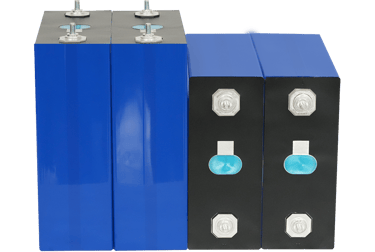
- calb cells
- LiFePO4: Improved Energy Density
- LTO: Amplified Cycle Length
Safety Insights for LiFePO4 and LTO Battery Cells
Li Iron PO4 and Lithium TiO (LTO) power units furnish advanced hotness endurance relative to diverse lithium rechargeable arrangements, producing in increased risk mitigation properties. While commonly considered reliable, potential perils remain and required careful control. Chiefly, overvolting, overdischarge, material deterioration, and excessive situational thermal conditions can activate decomposition, bringing about to exhalation of fumes or, under drastic conditions, heat thermal event. Thus, reinforced barrier frameworks, fit cell operation, and observing to stipulated functioning bounds are mandatory for guaranteeing trustworthy and trustworthy efficiency in uses.
Streamlining Charging Approaches for LiFePO4 and LTO Systems
Successfully handle phosphate lithium iron and oxidized lithium titanate battery systems requires thoughtful calibration of replenishing procedures. Unlike customary battery, these chemistries gain from unique processes. For phosphate based lithium, controlling the load voltage to just above the nominal benchmark and utilizing a constant current/constant voltage (CC/CV|CCCV) algorithm typically provides best lifespan. lithium titanium oxide cells usually tolerate elevated energy input voltages and currents, allowing for accelerated energizing times, but demand rigorous temperature tracking to stop failure.
The Rise of LTO Batteries in Modern Energy
Li compound energy device advancement offers a {