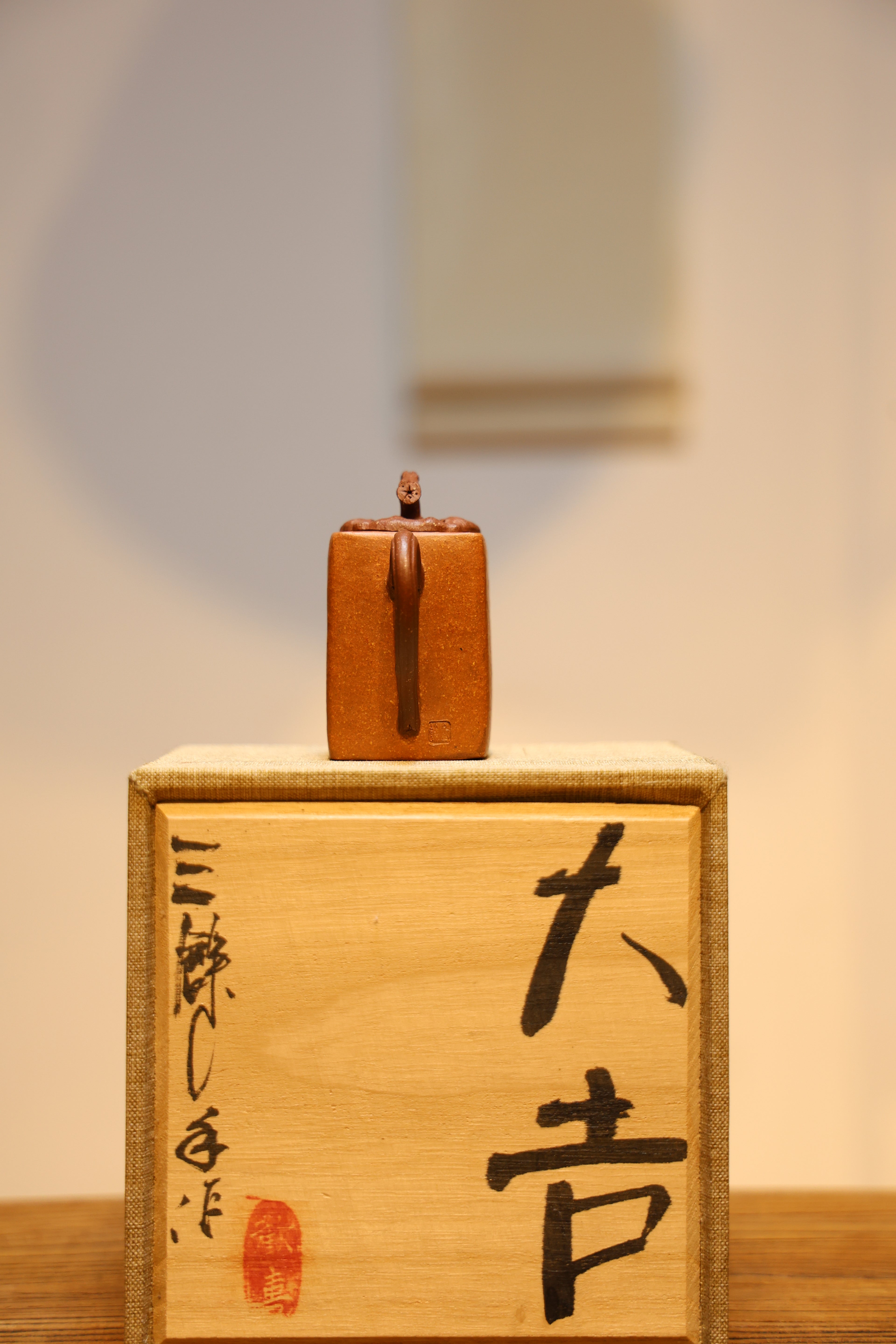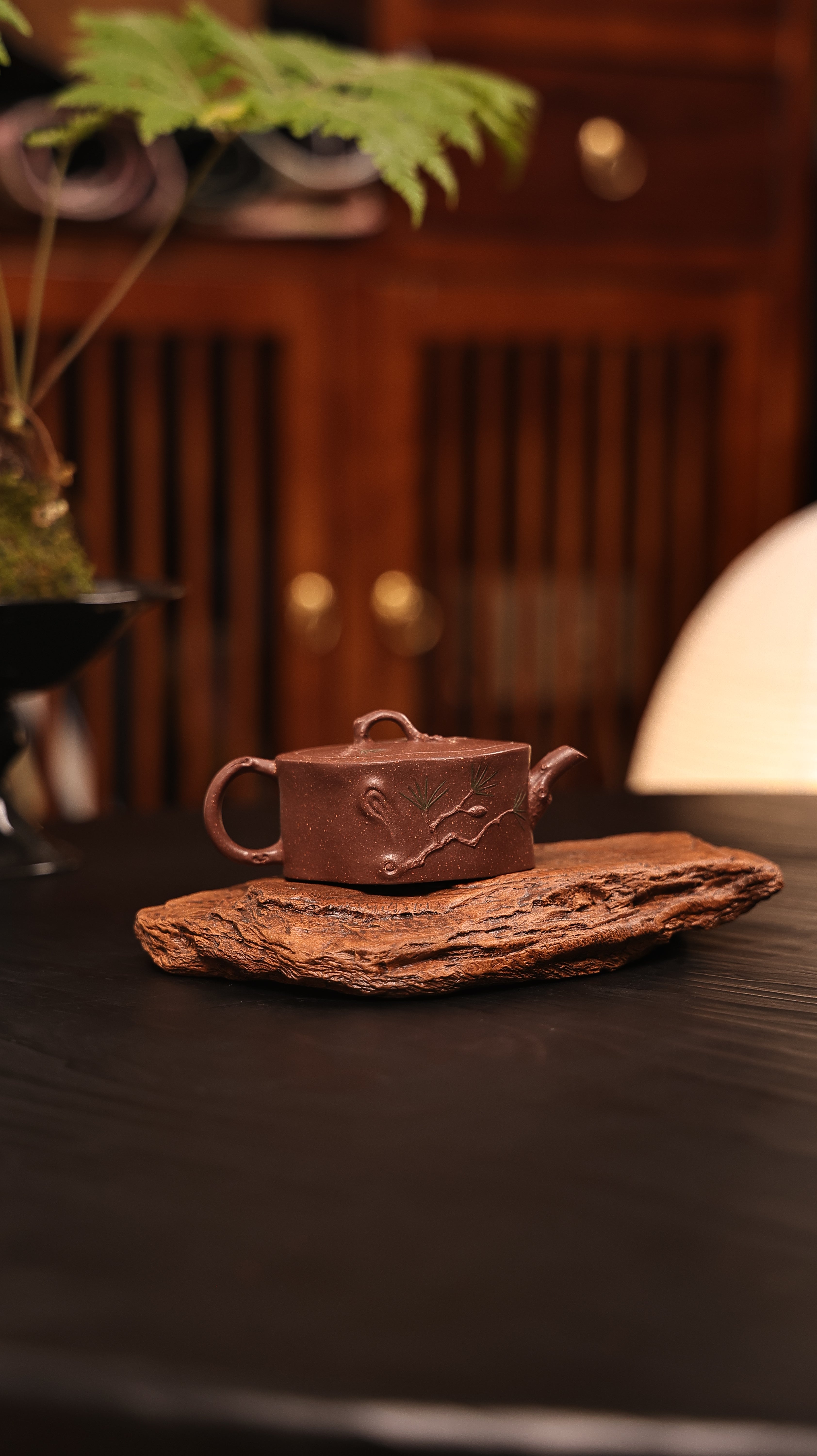
Times of connoisseurs have craved the particular charm of Yixing Zisha teapots. Originating in the small town of Yixing, the state, these earthenware are shaped from a infrequent and dug purple clay recognized for its superior thermal features and capability to boost the aroma of brews. Beyond their functional significance, Zisha teapots illustrate a solid customary background, turning them immensely valued and a genuine wonder for any enthusiastic teapot aficionado.
Investigating Yixing Clay Pots
Yixing teapots display a singular mixture of history and craftsman craftsmanship. Originating in Yixing, Jiangsu Locale of China, their narrative extends to the Ming Dynasty, although proof suggest earlier forms. The exceptional maroon clay, called Zisha, found only in the Yixing region, is the vital component, contributing to the pots' remarkable heat preservation and the manner they impact the character of tea. Lineages of potters have refined techniques—often relayed through families—including coiling the clay, applying intricate embellishments, and firing the pots at consistent temperatures.- Originally, Yixing teapots were often ornamented with simple designs.
- Thereafter, more intricate carvings and graphic motifs became widespread.
- The firing process itself is a critical element, requiring decades of proficiency.
Amassing Zisha Teapots: Essential Insights
Embarking on a venture to collect Zisha pots can be gratifying, but it’s crucial to appreciate what to search for. Authenticity is critical; focus on the component’s natural tint, a faint reddish-brown is common. copyrightine the quality; genuine Zisha has a remarkable tactile sensation, often defined as slightly grainy. The profile should be balanced and consistent with antique styles, while labels, if present, require thorough copyrightination for reliability. Don’t postpone to consult with experienced dealers or reliable databases – their insight is priceless.
Ancient Pitchers: Researching the Heritage of this Purple Earth
Periods have seen Yixing Ming Clay teapots maintain a unique role in Chinese history. These meticulously formed pots, sourced specifically from the region of Yixing, are celebrated for their recognizable tone, grain, and their ability to amplify the quality of potions. Legions of collectors seek antique Yixing teapots, valuing them greatly not only for their aesthetic appeal, but also for the past they symbolize.
Yixing Zisha Teapots: Such Leading Classes and Their Qualities
Purple Earthenware teapots, sourced from the authentic locale of Yixing, the Chinese territory, are famed for their unique clay and exceptional brewing capabilities. Amidst the different Zisha types, selected types that are highly esteemed include Zhuni. Binzhou, known for its dark purple shade and smooth texture, delivers a light flavor. Duan Ni species, recognizable by its auburn color and a little grainy feel, is said to enhance tea’s heft. Lastly, Zhuni sort boasts an scarce scarlet tone and can impart a savory nuance. Each sort delivers a different experience, facilitating them notably desirable with beverage enthusiasts.
Perfecting Unique Earthenware Kettle
To tap into the power of your Yixing vessel, knowing the correct way is crucial. These clay containers, celebrated for their texture, will incrementally take on the nature of the tea you infuse within them. Begin by washing the urn thoroughly with clean water. Then, use only high-quality unpacked leaf tea, as lower quality options can harm the object’s delicate essence. Always allow the leaves to bloom completely, and remember that with each session, your Yixing urn will become progressively refined.
Caring for Your Valuable Zisha Item
Proper maintenance for your Zisha vessel is fundamental to protecting its integrity and importance. Zisha clay, respected for its unique pigmentation Yixing Teapot and surface, requires specific handling. Never use corrosive cleaners, as these can wreck the finish. After every application, rinse the teapot with moderate temperature water and allow it to cool off completely.
- Eschew soaking the urn for extended times.
- Sometimes use a soft cloth to buff the exterior.
- Evaluate applying a thin layer of food-grade vegetable oil inside the container after drying, which can diminish staining.
Overview of Yixing Teapots
Yixing brew vessels, originating from the Yixing zone in Jiangsu Province, of China, are celebrated for their distinctive traits. Shaped from the unique purple clay known as Zisha, these containers are prized by brew enthusiasts worldwide. This digest will briefly explain the principles – covering forms of Zisha composite, prevailing shapes, and important care recommendations. Understanding the foundation of Yixing pitchers can enhance your appreciation for this traditional copyrightple of Oriental folklore.
Trade of Asian Teapots: Concentrating on Zisha made in this city of Yixing
Zisha substance from Yixing represents the height of Yuan vessel design, showing a singular amalgamation of raw beauty and effective artistry. These famous pieces are esteemed for their saturated tints, often ranging from deep purples and rust hues to subtle greys and delicate beiges. The specific mineral composition of the local Zisha soil imparts a characteristic texture and produces a gratifying aroma that richens the comprehensive concoction experience, enabling them notably cherished collectibles and necessary components of any serious ritual.